Edible Neighborhoods
Evenings like this remind me why local matters, and that the best networks aren't always digital ones.
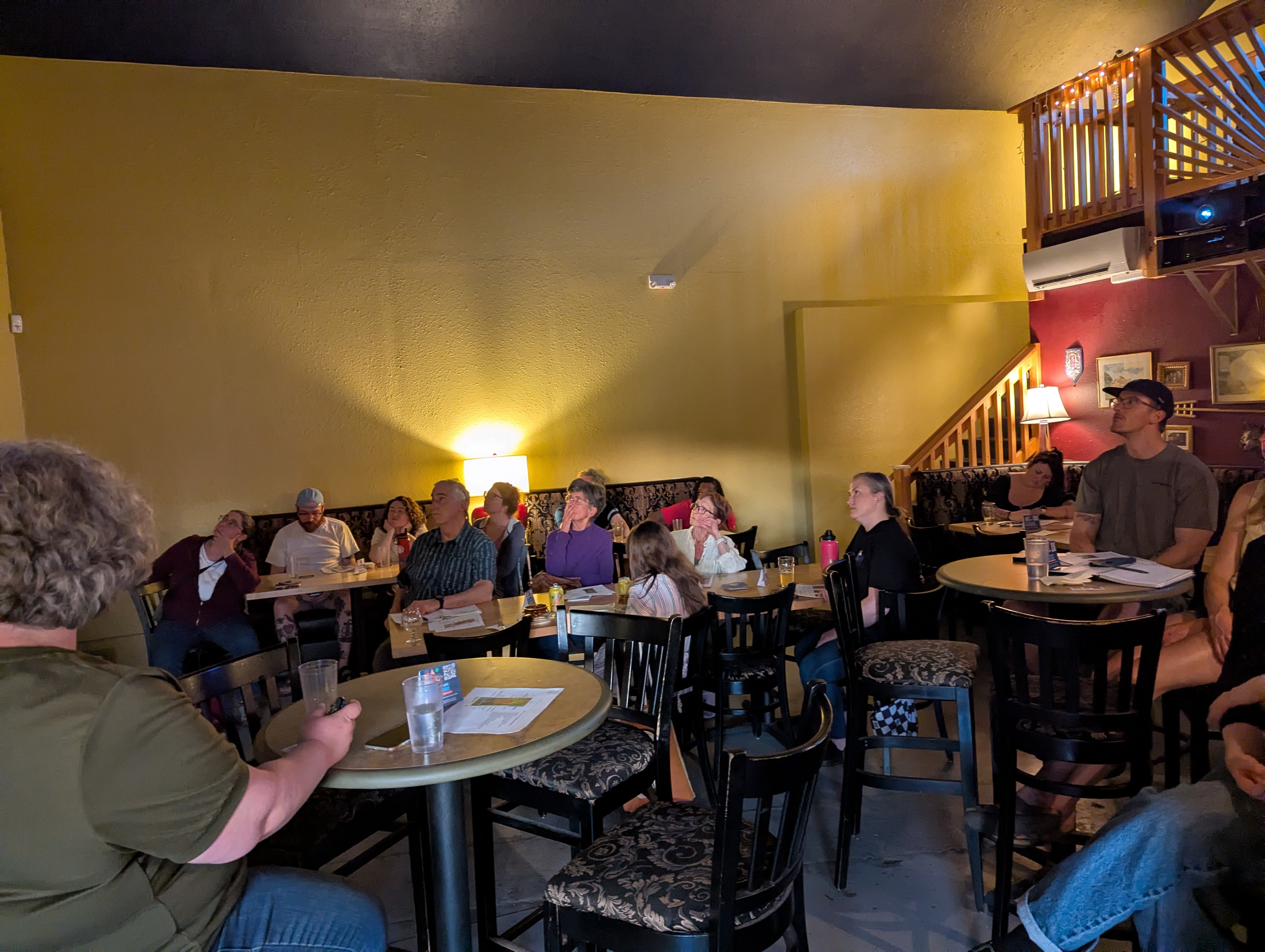
Last night the North Tabor Neighborhood Association hosted a workshop on creating edible landscapes, in partnership with the East Multnomah Soil & Water Conservation District. My wife heads communications for the association and I serve as co-chair, so events like this are genuinely close to home for us. We had 40 signups and a waiting list.
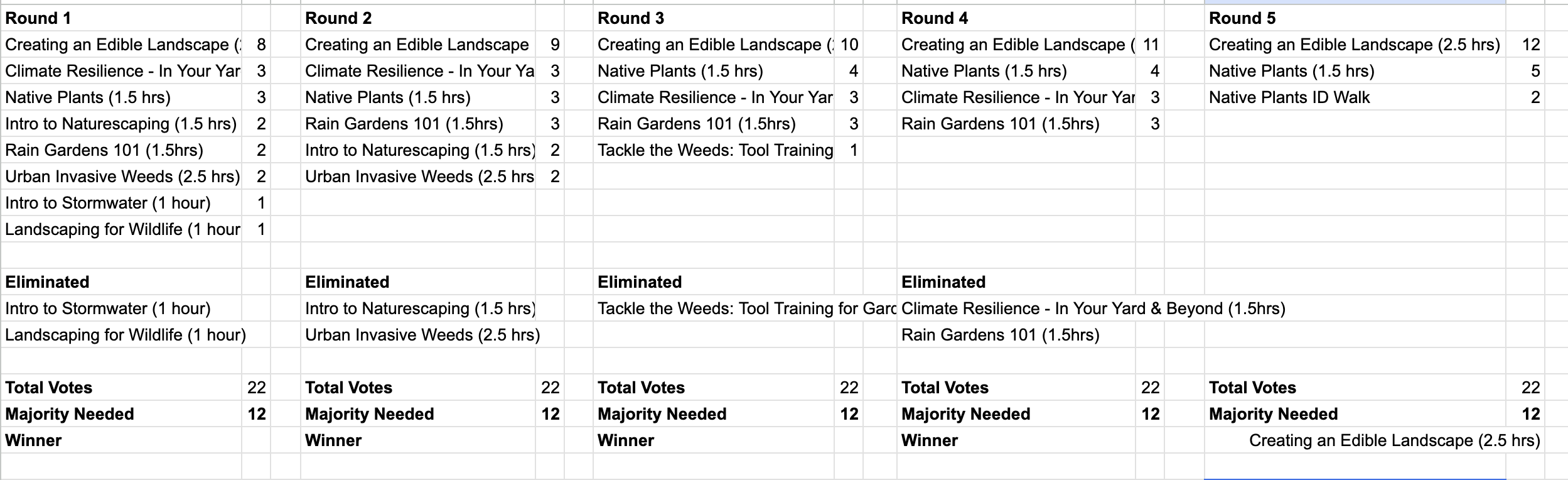
The topic itself was chosen by the neighborhood. We sent out a list of options in the newsletter and ran ranked choice voting on the results. It took 5 rounds to decide.
It was the first in-person workshop we've hosted, and honestly we were a little nervous — 2.5 hours is a long ask on a weeknight. But the room stayed engaged the whole time, and neighbors stuck around afterwards with plenty of questions.
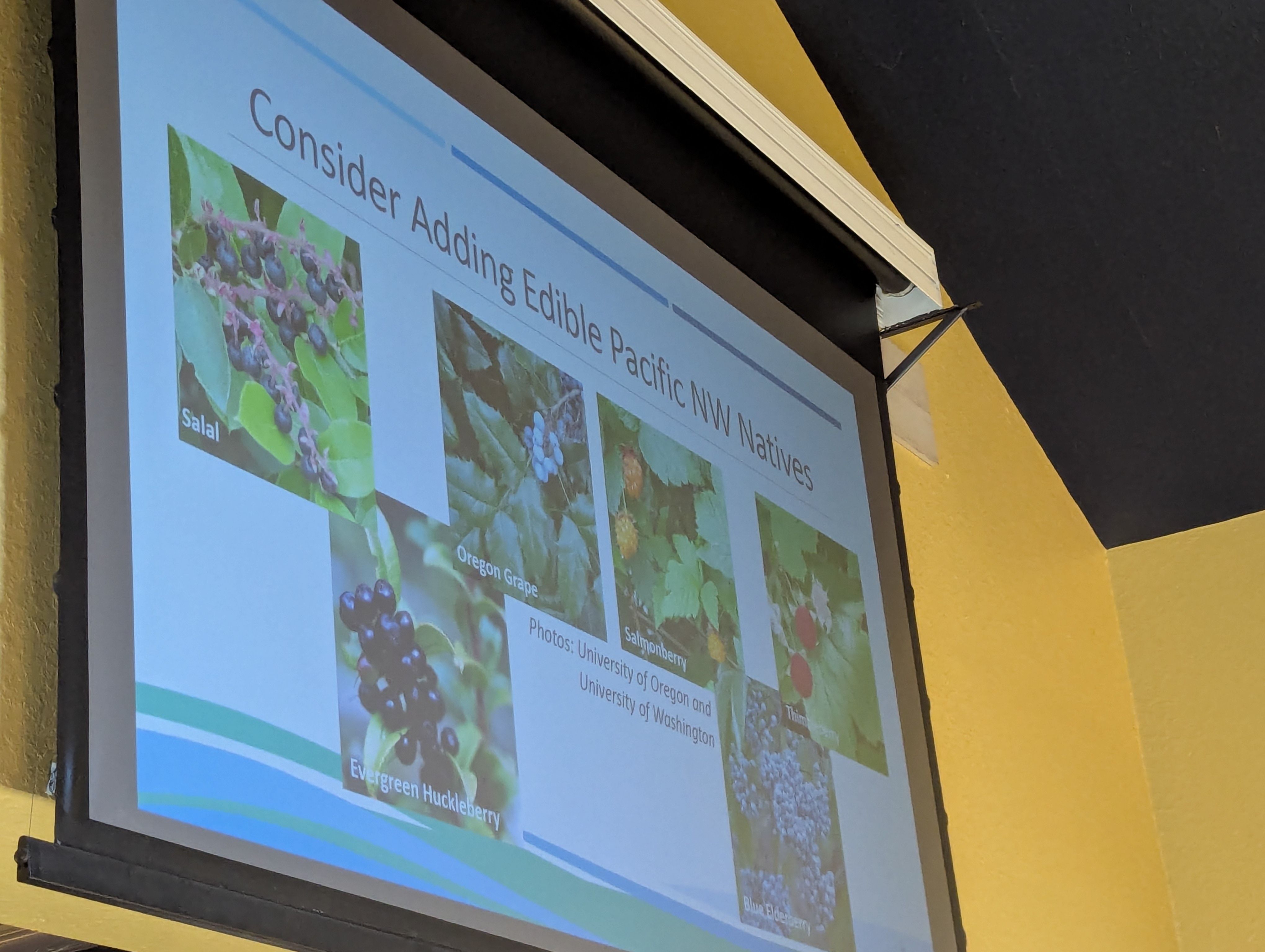
From annual veggies and herbs to perennial berries and fruit trees, the workshop covered design tips, building fertile soil, conserving water while producing a harvest, and native plants like salal, Oregon grape, salmonberry, and huckleberry that attract beneficial insects while also feeding you.
The workshop was led by Lydia Cox of Radish Gardens, who offers landscape design and consultation services including edible plants, habitat for wildlife, and water-wise design. Multi-neighbor and small group consultations are available if you want to take the next step with your own yard.
I spend most of my days thinking about software and systems. But evenings like this remind me why local matters, and that the best networks aren't always digital ones.
East Multnomah Soil & Water runs these workshops regularly. Worth following them at emswcd.org.
This remind you of a problem you've been dealing with?
I'd be happy to discuss it with you and see if it's something we could turn into a solution.
Book a call